

Tuesday
Nov 27
|
|
||||
|
Tuesday Nov 27
|
|||
| |
||||
New stem cell found in mice may help cure human disordersby Keerat - June 28, 2007 - 0 comments
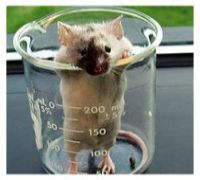 Two separate teams at Cambridge and Oxford universities have discovered a type of embryonic stem cell in mice which is strikingly similar to human embryonic stem cells. The findings, published in the journal Nature, could help turn cells into treatment for an array of ailments like diabetes, Parkinson’s, Alzheimer's disease and cystic fibrosis, without the use of human embryos. Scientists are busy trying to convert stem cells to nerve, muscle and other cell types in order to help repair damaged bodies. The new findings could very well be the milestone for regenerative treatment. Human embryonic stem cells are the source of each and every cell, tissue and organ in the body. They are pluripotent, i.e. they have the ability to develop into any cell type in the body. The process of harvesting stem cells involves destruction of a viable human embryo and that is why human embryonic stem cell research has been limited in the U.S since 2001. The Bush government put restrictions on embryonic research after objections filed by critics on moral grounds. Scientists have been experimenting on laboratory mice for many years in order to find a link between the stem cell of mice and humans so that embryonic cells from mice can be used instead of humans. But the two varieties of stem cell have always behaved differently. According to the findings of the independent study, the new embryonic cells-epiblast-stem cells derived from the innermost cell layer of a week old rodent embryo are quite identical to human stem cells. Mouse embryonic cells are pluripotent too. However, according to Ronald McKay, senior author of first paper and a stem cell scientist with the U.S. National Institutes of Health, “there's very good evidence that the two [mouse stem] cells are different. There are different systems that regulate growth. We went back to the mouse to see if we could find another pluripotent cell.” He continued, “That's what we found. We found a new kind of pluripotent cell in the mouse which behaves like a human cell.” The new cells derived from mice are called EpiSCs (post-implantation epiblast-derived stem cells). They have a similar growth model, pattern of gene expression and cell surface markers like human cells. And they are pluripotent too. Both the Cambridge and Oxford scientists have come up with identical results thereby adding weight to the findings. “It's nice to see two groups substantiate something. You've got replication here,” Paul Sanberg, professor of neurosurgery and director of the University of South Florida Center for Aging and Brain Repair in Tampa, said. “Basically, they're showing that they can create a mouse stem cell that is very similar to a human stem cell.” Elias Zerhouni, director of the US National Institutes of Health, feels that the implications of the findings are huge. “These mouse cells will teach us about how human embryonic stem cells generate the hundreds of cell types that make up the human body, knowledge that will help us realise the promise of stem cell therapy.” |
|
||||||
Disclaimer: The views and investment tips expressed by investment experts on themoneytimes.com are their own, and not that of the website or its management. TheMoneyTimes advises users to check with certified experts before taking any investment decision. ©2004-2007 All Rights Reserved unless mentioned otherwise. [Submit News/Press Release][Terms of Service] [Privacy Policy] [About us] [Contact us] |


