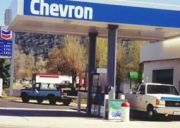
Chevron and Petronas, the foreign oil firms operating in Chad face eviction orders from President Idriss Deby, because of non payment of taxes. A 24-hour deadline has been issued to the companies to leave the country. Chevron of USA and Petronas of Malaysia are members of a consortium that is led by ExxonMobil and is responsible for extracting oil from Chad.
Chad’s President, Idriss Deby said, "From tomorrow, representatives of Chevron and Petronas must leave Chad and close their offices for not respecting their commitment in accordance with clauses relating to the payment of taxes on the companies."
The announcement came soon after Deby ordered his government to take a greater role in the production of oil and generate more profits from it. This recourse would help in improving the country's ailing economy.
Deby stressed that the country "should fully enjoy its oil, mining and other resources." To further that objective, Chad is in the midst of setting up a national oil company which will take responsibility for the oil fields that the American and Malaysian companies have overseen.
Till date, the production and export of petroleum in Chad have been overseen by the ExxonMobil-led consortium. The Texas-based ExxonMobil Corp. was responsible for 40% of the country's production, while Chevron and Petronas each had 30%.
The three companies had agreed to finance a risky $4.2 billion, 659 mile pipeline to deliver oil from landlocked Chad to the Atlantic port of Kribi in Cameroon. This investment came after the World Bank gave the project its nod. At that time Chad had assured the World Bank that revenue from the said project will be allocated to health, education and infrastructure projects.
From October 2003 to December 2005, the consortium exported some 133 million barrels of oil from Chad. The African country itself earned $307 million, or about 12.5%, on each barrel exported. The country ran into rough weather when the World Bank froze $125 million in oil revenue and cut $124 million in financial aid, accusing Chad of going back on a promise to set aside part of its oil revenues to help the poor.
In July, the government reached a deal with the World Bank and signed an accord to commit 70% of its budget to poverty and development programs.
Despite of having a per day production of less than 2,00,000 barrels, oil production in Chad has given a big boost to its GDP. In fact in 2004 its gross domestic product increased by 40 per cent after the oil production began.
Oil is the only hope to improve the ailing economy of Chad, which is one of Africa’s newest oil producers and is still not a member of OPEC.






Libya is a prime example of a African nation not in tune with the rest of the world. They removed all foreign investments in petroleum than they begged to have it return in 2005. Reason being the political leaders want to line ther pockets one more time and still remain in power before they die of old age.