

Friday
Jul 04
|
|
||||
|
Friday Jul 04
|
|||
| |
||||
Using Chocolate to generate electricity!by MT Bureau - June 9, 2006 - 0 comments
 " title="Using Chocolate to generate electricity!" />
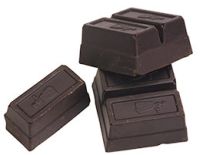
 “Life is like a box of chocolates... you never know what you're gonna get.†Following this very philosophy Microbiologist Lynne Mackaskie and her colleagues at University of Birmingham in the UK managed to power a fuel cell by feeding sugar-loving bacteria chocolate-factory waste. "We wanted to see if we tipped chocolate into one end, could we get electricity out at the other?" she says. “Life is like a box of chocolates... you never know what you're gonna get.†Following this very philosophy Microbiologist Lynne Mackaskie and her colleagues at University of Birmingham in the UK managed to power a fuel cell by feeding sugar-loving bacteria chocolate-factory waste. "We wanted to see if we tipped chocolate into one end, could we get electricity out at the other?" she says. To continue with this exciting new venture they fed Escherichia coli bacteria diluted caramel and nougat waste. The bacteria, (who now it seems loves chocolate too) consumed the sugar and produced hydrogen, which they make with the enzyme hydrogenase, and organic acids. This however was not the end of it, for the researchers then used this hydrogen to power a fuel cell which then happened to generate enough electricity to drive a small fan (Biochemical Society Transactions, vol 33, p 76). This process holds promise to provide for a potential use for chocolate waste that would otherwise end up in a landfill. The best part however is that on one hand the chocolate waste gets sumptuously utilized and on the other hand Mackaskie's team formulated another job for the bacteria. They next put the bugs to work on a production line that recovers precious metal from the catalytic converters of old cars. When placed in a vat with hydrogen and liquid waste from spent converters, the bacterial enzymes again got to work. Hydrogenase split hydrogen into its components, releasing electrons. These charged species then react with palladium ions in the solution, which then stick to the bacteria. This poses as an advantage as the bacteria are now immoblized and according to Mackaskie can then be recycled as catalysts for other projects. This reminds us of the wonders of Charlie and his chocolate factory, for Willy wonka could have surely used this too in extending and expanding his wonderful world of chocolate. Yummy! and Useful! |
|
||||||
Disclaimer: The views and investment tips expressed by investment experts on themoneytimes.com are their own, and not that of the website or its management. TheMoneyTimes advises users to check with certified experts before taking any investment decision. ©2004-2008 All Rights Reserved unless mentioned otherwise. [Submit News/Press Release][Terms of Service] [Privacy Policy] [About us] [Contact us] |


